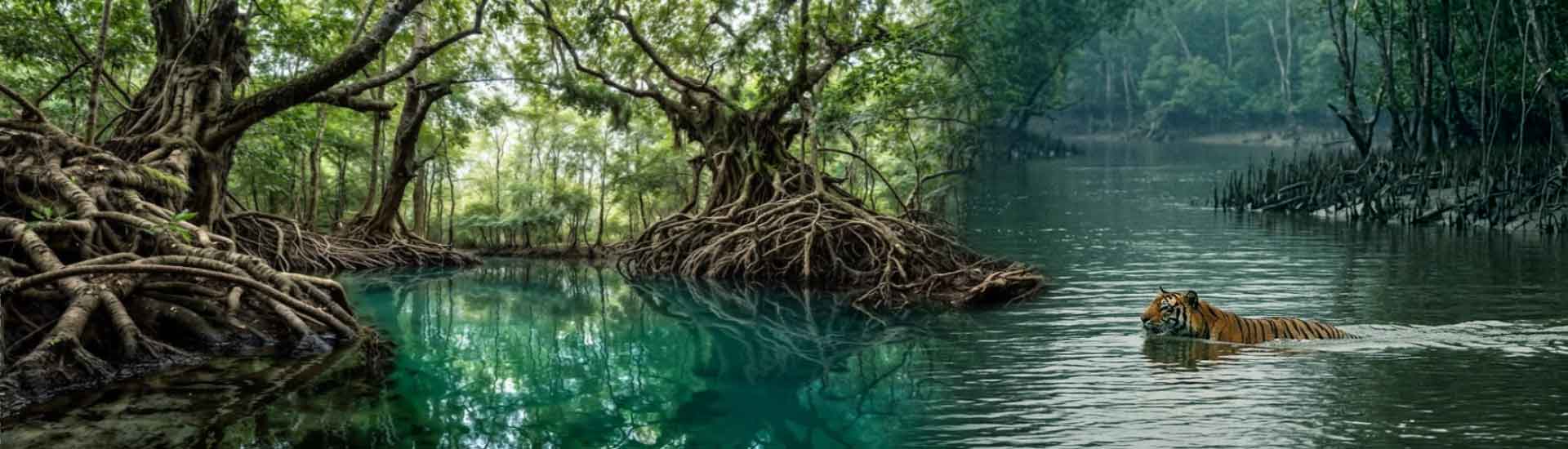

How Mangrove Trees Protect Coastal Communities
Mangrove trees are an important part of coastal ecosystems. They grow along riverbanks, sea coasts, and muddy tidal areas. Their strong roots and dense forests provide natural protection to coastal communities. These forests support wildlife, protect local villages, and help maintain the natural balance of the coastal environment.
- Mangroves Reduce the Impact of Storms
Coastal areas often face strong winds, heavy rainfall, and powerful waves. Mangrove forests act as natural barriers between the sea and nearby villages. Their thick roots and branches slow down water movement and reduce wave energy. This helps lower the impact of coastal flooding and erosion during storms and cyclones. - Protecting the Shoreline from Soil Erosion
Mangrove roots hold the soil firmly and help prevent it from washing away. They trap mud and sediments carried by rivers and tidal water. This process supports shoreline stability and protects nearby land from gradual erosion. Healthy mangrove forests are therefore important for protecting coastal villages and agricultural areas. - Supporting Local Livelihoods
Many families living near mangrove forests depend on fishing, honey collection, and other natural resources for their income. These forests provide breeding and feeding grounds for fish, crabs, prawns, and other aquatic species. A healthy mangrove ecosystem supports local livelihoods and helps maintain biodiversity. - Mangroves Support Wildlife and Biodiversity
The Sundarbans mangrove forest is home to many species of birds, fish, reptiles, and mammals. Its waterways and muddy banks create suitable habitats for different wildlife. Protecting mangroves also helps conserve endangered species and maintain the ecological balance of the region. - Why Mangrove Conservation Matters for Tourism
Mangrove forests attract nature lovers, photographers, and wildlife enthusiasts. Visitors can explore their beauty through responsible boat journeys and guided nature experiences. If you want to Plan a sundarban tour, learning about the importance of mangroves can make your journey more meaningful.
You can explore different sundarban tour packages according to your travel plans. A sundarban 2 night 3 days trip gives visitors more time to experience the region’s waterways, villages, and natural surroundings. Travellers can also enjoy a special sundarban hilsa tour to experience local food and culture.
If you are planning a journey from the city, a sundarban tour package from Kolkata can make travel arrangements more convenient. A good sundarban tour guide can also help you understand the local environment, wildlife, and mangrove conservation efforts.
For more travel information, read our previous blog, “Sundarban Boat Safari: Winter Travel Guide,” to learn about boat journeys and wildlife experiences in this beautiful region.
Conclusion
Mangrove forests reduce wave energy, control soil erosion, support wildlife, and provide resources for local families. Protecting these forests is important for maintaining a safer and healthier coastal environment. Responsible tourism and community participation can help preserve the natural beauty of the Sundarbans for future generations.
Frequently Asked Questions (FAQs)
- Why are mangrove trees important for coastal communities?
Mangroves help reduce wave energy, protect shorelines, support wildlife, and provide resources for local communities. - How do mangroves help prevent coastal erosion?
Their strong root systems hold soil together and trap sediments, reducing the loss of coastal land. - Where can visitors explore mangrove forests in West Bengal?
The Sundarbans is a popular destination where visitors can explore mangrove forests through guided boat trips. - What is a suitable duration for a Sundarban trip?
A 2-night, 3-day trip is a popular option for exploring the region’s waterways, villages, and natural surroundings. - How can tourists help protect mangrove forests?
Visitors can avoid throwing waste into waterways, follow local guidelines, respect wildlife, and choose responsible tourism services.