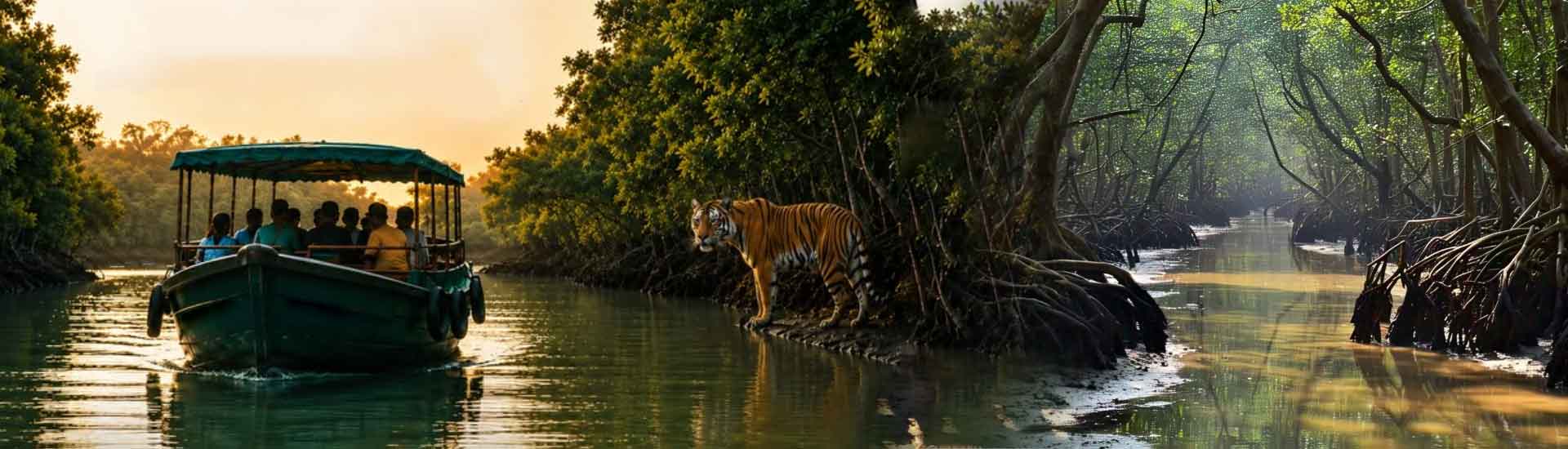

Sundarban Boat Safari Winter Travel Guide
Winter is one of the most enjoyable seasons to explore the mysterious beauty of the Sundarbans. With pleasant weather, calm waterways, and refreshing natural surroundings, it is an ideal time to experience the region through a memorable sundarban boat safari. Whether you are a wildlife enthusiast, photographer, nature lover, or first-time visitor, a winter journey through the mangrove waterways offers a peaceful escape from everyday life.
Why Choose Winter for a Sundarban Boat Safari?
The cooler months provide comfortable conditions for travelling through the Sundarbans. The temperature is generally pleasant, making long hours on a boat more enjoyable. Early mornings can offer beautiful views of mist-covered waterways, while the soft winter sunlight creates excellent opportunities for photography.
A boat safari also allows travellers to observe the unique ecosystem from the water. Depending on the route and conditions, you may spot different species of birds, deer, crocodiles, monkeys, and other wildlife. Although tiger sightings cannot be guaranteed, the excitement of exploring their natural habitat makes every journey special.
How to Plan a Sundarban Tour in Winter
Before you plan a suitable sundarban tour, decide how many days you want to spend exploring the region. A sundarban 2 night 3 days itinerary is a popular choice because it provides enough time to enjoy boat rides, explore nearby villages, experience local culture, and appreciate the mangrove landscape without rushing.
Choosing suitable sundarban tour packages can make the trip easier, particularly for first-time visitors. Packages may include transportation, accommodation, meals, boat rides, permits, and sightseeing depending on the provider. Travellers from Kolkata can also consider a sundarban tour package from Kolkata for a more convenient journey.
What to Expect During the Boat Safari
A typical boat safari begins by navigating through narrow creeks and wider rivers surrounded by dense mangrove forests. Keep your camera ready, but remember to observe the surroundings quietly. The changing tides can completely transform the appearance of the landscape.
Following a knowledgeable sundarban tour guide can make the experience more informative. A local guide can explain the mangrove ecosystem, wildlife, villages, waterways, and regional traditions while helping visitors understand the importance of protecting this delicate environment.
For travellers interested in local food and seasonal experiences, a sundarban Hilsa tour can add another enjoyable element to the trip, especially for those who want to combine nature exploration with Bengali culinary traditions.
Travel Responsibly
The Sundarbans is a sensitive ecosystem, so responsible tourism is essential. Avoid throwing plastic or other waste into the water, follow forest regulations, maintain a safe distance from wildlife, and listen carefully to your guide and boat crew.
If you enjoyed learning about the region’s changing natural landscape, explore our previous blog, “Sundarban: The Beauty That Changes With the Tides,” to discover more about how tides influence this fascinating destination.
Frequently Asked Questions
- Is winter a good time for a Sundarban boat safari?
Yes. Winter generally offers pleasant weather and comfortable conditions for exploring the waterways. - How long should I stay in the Sundarbans?
A 2 night 3 days trip is a convenient option for experiencing boat safaris, sightseeing, and local attractions. - Can I see a Royal Bengal Tiger during the safari?
Tiger sightings are never guaranteed because they are wild animals living freely in their natural habitat. - Should I book a Sundarban tour package from Kolkata?
It can be convenient for travellers who prefer organised transportation, accommodation, meals, and sightseeing arrangements. - What should I carry for a winter boat safari?
Carry comfortable clothing, a light jacket, sunscreen, sunglasses, personal medicines, drinking water, and a camera.