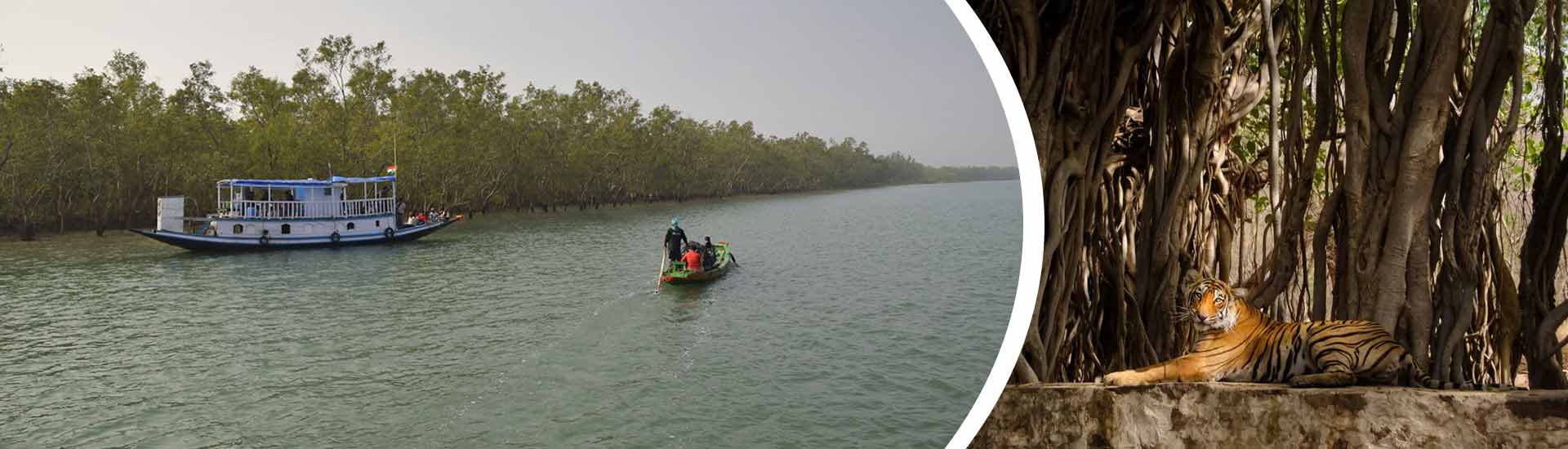

Why Winter Is The Best Time To Explore The Sundarban ?
The Sundarban, the world’s largest mangrove forest and a UNESCO World Heritage Site, is a place where adventure blends beautifully with nature’s silence. While this mystical destination is captivating throughout the year, winter remains the absolute best time to plan your Sundarban tour. Whether you are choosing a Sundarban tour package, planning a Sundarban 2 night 3 days trip, or looking for a short escape with a Sundarban 1 night 2 days itinerary, the cooler months transform the mangrove forest into a paradise for travellers. You can make a customised tour package according to your need.
This blog continues the narrative from our previous story, “The Royal Bengal Tiger: Ghost of the Mangroves.” Earlier, we explored how the elusive tiger often called the Ghost of the Mangroves rules this wild eco-region with unmatched grace. Just like that blog celebrated the tiger’s mystery and survival, this one uncovers why winter is the perfect season to witness the tiger’s kingdom at its prime.
Pleasant Weather: Nature at Its Comfortable Best
Winter in the Sundarban, usually from November to February brings soothing temperatures ranging between 10°C and 25°C. The heat and humidity of summer disappear, and the forest becomes calm, cool, and airy. This is the ideal climate for long boat rides, wildlife spotting, village walks, and watching sunrise over the winding rivers.
The crisp winter air also improves visibility, making your chances of spotting animals higher. Photographers especially love this season because the soft sunlight creates excellent angles for wildlife and landscape shots.
Perfect Time for Tiger Sightings
The iconic Royal Bengal Tiger is one of the biggest reasons travellers choose a Sundarban tour, and winter significantly enhances the chance of spotting this majestic creature. As the temperature drops, tigers often come out to bask in the sun, wander around riverbanks, or move through open patches of forest.
The calm weather and clearer waters allow visitors to quietly glide through creeks, increasing the chances of witnessing the tiger or its fresh paw marks along muddy shores.
Rich Birdlife and Active Wildlife
Winter turns the Sundarban into a haven for birdwatchers in this season. With the arrival of numerous migratory species of birds from Central Asia and Europe, the forest becomes alive with colourful birds and soothing calls. You can spot ducks, kingfishers, black-capped kingfishers, egrets, herons, and the majestic Brahminy Kite.
Other wildlife also becomes more active during winter. Crocodiles sunbathe on riverbanks, spotted deer move in large herds, and you may even see the rare fishing cat. If you’re planning a Sundarban 2 night 3 days package, this is the perfect season for extended exploration.
Smoother Boat Cruises and Safe Travel
The Sundarban is best explored through long boat journeys across its creeks and rivers. During winter, the water remains calm and tides are more predictable, offering safer and smoother cruising. The comfortable weather ensures you can spend hours on the deck enjoying panoramic views of mangrove islands, deep forest canals, and peaceful sunsets.
This is also the peak season for cultural programs in the villages like Bon Bibi Jatra performances, folk dance which many Sundarban tour packages include as part of the itinerary.
Fresh Local Cuisine That Complements the Weather
Winter is also the season when local produce, seafood, and spices are at their freshest. From prawns and crabs to local fish preparations and warm Bengali dishes, winter meals in the Sundarban feel especially satisfying after a day of exploration.
Most operators offering Sundarban 1 night 2 days or 2 night 3 days tours serve fresh, homely meals cooked on the boat or at the resort, adding an authentic touch to the experience.
Best for Photography and Nature Lovers
The soft golden glow of winter mornings and evenings creates a magical atmosphere across the forest. The fog over the rivers, sunlit mangrove roots, flying birds, and still water surfaces make winter the most photogenic time of the year.
Whether you’re a wildlife photographer, a nature lover, or simply someone craving a peaceful escape, winter delivers the perfect backdrop.
FAQs
- Why is winter the best time for a Sundarban tour?
Winter offers pleasant weather, better visibility, active wildlife, calm river conditions, and higher chances of spotting the Royal Bengal Tiger. - Is a Sundarban 2 night 3 days package better than 1 night 2 days?
Yes. A Sundarban 2 night 3 days trip allows more time for wildlife cruising, village tours, and island visits. A 1 night 2 days trip is ideal for a quick weekend escape. - Can we see the Royal Bengal Tiger during winter?
While sightings are never guaranteed, winter significantly increases the chances because tigers stay more active during the cooler hours. - Are winter boat rides safe?
Yes. Winter provides calm waters and favorable tidal conditions, making boat cruises safer and smoother. - Do Sundarban tour packages include food and accommodation?
Most packages whether 1-night or 2-night include all meals, stays, guided tours, boat rides, and cultural programs.
You can make a sundarban tour with your family and friends in anytime because of it’s natural beauty. But, you can enjoy comfortably in the winter season because of pleasant weather only.